
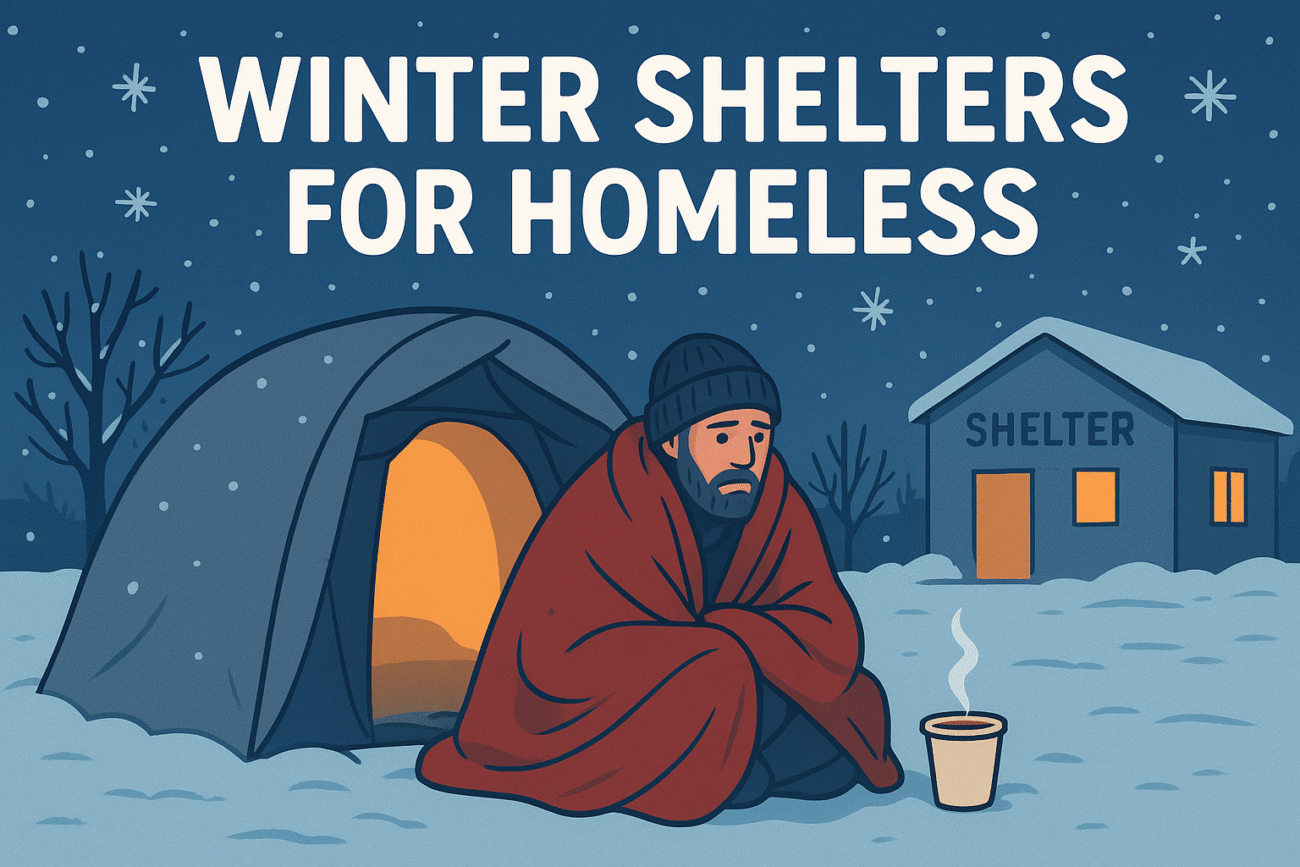
When winter arrives, the cold can be dangerous for people who don’t have a safe place to take shelter. Winter shelters are special places that open during the cold months to provide homeless people with warmth, safety, and support. These overnight winter shelters can save lives, especially during freezing nights.
Why Winter Shelters Are Important
Winter shelters are places that open during the cold season to protect people from freezing temperatures. These shelters only open during the coldest nights or remain open throughout the entire winter.
Cold weather can cause serious health problems, such as frostbite, hypothermia, and even death. Winter shelters help prevent these risks by providing people with a warm and safe space.
Many shelters connect people with long-term support services, such as employment programs, healthcare, and housing assistance.
Types of Winter Shelters Available
Overnight Emergency Shelters
These shelters open every night and offer a safe place to sleep. These shelters are very easy to find, especially when temperatures drop suddenly.
Warming Centers
Warming centers are temporary indoor spaces, such as libraries, churches, or community centers, where people can stay safe from extreme cold.
Seasonal Shelters
These shelters open only during the coldest months, usually from November to March, and provide more assistance and homeless services than temporary warming centers.
Faith-Based Shelters
Many churches, nonprofit agencies and faith-based homeless programs open their doors during the winter. They provide hot meals and blankets in addition to shelter.
Shelter-in-Place Programs
Some cities provide short-term places to stay, like hotel vouchers or rooms in unused buildings, so people can stay indoors during the winter.
How to Find Winter Shelters for Homeless Near You
When temperatures drop, winter shelters can save lives. These shelters offer a warm place to sleep, essential supplies, and safety during cold weather. If you or someone you know needs immediate help, here are the easiest ways to find winter shelters near you.
Check Local Government Alerts
City and county governments often open emergency shelters during the winter when the weather is dangerous. You can:
- Visit your city or county website
- Search online for “winter shelter + your city name”
- Check local emergency management pages
These websites update their shelter listings when temperatures drop below freezing or during snowstorms.
Call 2-1-1 for Immediate Assistance
Dial 2-1-1 from any phone. This free hotline connects you with nearby shelters, warming centers, and emergency services. The operator can tell you:
- Which shelters are open
- What hours they accept people
- If you need identification
- If beds are available
It’s the fastest way to get real-time information.
Use Homeless Service Organizations
Many non-profit organizations run winter shelters or know where to find them. Look for local groups such as:
- The Salvation Army
- Catholic Charities
- The Red Cross
- Local homeless outreach teams
- Community action agencies
These groups often post information about shelter availability on their websites or social media.
Visit Local Libraries or Community Centers
Libraries and community centers often know which shelters are open each night. Staff can help you search for local options or provide printed lists of warming centers.
Check with Churches and Religious Groups
Churches sometimes open their doors during freezing weather. Some offer overnight shelter, hot meals, blankets, and warm clothing. You can call nearby churches or check their websites for updated information. Use mobile apps and online tools
Several online tools can help you find a safe place quickly:
- Local government “Find a Shelter” maps
- Homeless shelter directories
- Google Maps search: “winter shelter near me“
- Weather alert apps with links to emergency resources
These tools can guide you to the nearest open shelter.
Ask Local Outreach Teams
Homeless outreach program workers know which shelters have available beds each night. They can tell you about:
- Emergency winter beds
- Warming buses or vans
- Emergency shelters
- Places offering blankets, food, and hot drinks
If you see outreach teams downtown or near public transit stops, ask them for up-to-date information.
What to expect at a winter shelter
Warm beds and blankets: Comfort and warmth are the priority. Shelters provide clean bedding to protect people from the cold.
Hot meals and drinks: Most winter shelters serve hot soup, tea, coffee, and nutritious meals to help keep people warm.
Medical care and safety checks: Nurses, doctors, or trained staff often check for frostbite, hypothermia, or other health problems.
Social services and case management: Many shelters connect people with long-term support services, such as job training, counseling, or housing programs.
Transportation assistance: Some shelters offer free transportation to and from their facilities, especially during storms.
Who Can Use Winter Shelters?
Winter shelters are typically open to anyone who needs a safe place during extreme cold. Some may request basic information, but most do not require identification or documentation, as their primary goal is to protect people from extreme winter nights.
Conclusion
Winter shelters are vital for people experiencing homelessness. They offer warmth, safety, and hope during the coldest months. Use the above resources and tips to get warm centers or overnight winter shelsters near you easily.
Frequently Asked Questions (FAQs)
Are winter shelters free?
Yes, most winter shelters are completely free, especially during extreme cold weather.
Can families stay together in winter shelters?
Many shelters offer family rooms or separate sections for parents and children.
Are pets allowed in winter shelters?
Some are, but policies vary. There may be shelters or foster programs that accept pets.
How long can you stay in a winter shelter?
Policies vary; some allow only overnight stays, while others permit extended stays during severe weather conditions.
What should I bring to a winter shelter?
Basic items such as identification (if you have it), medications, warm clothing, and essential personal belongings.
