
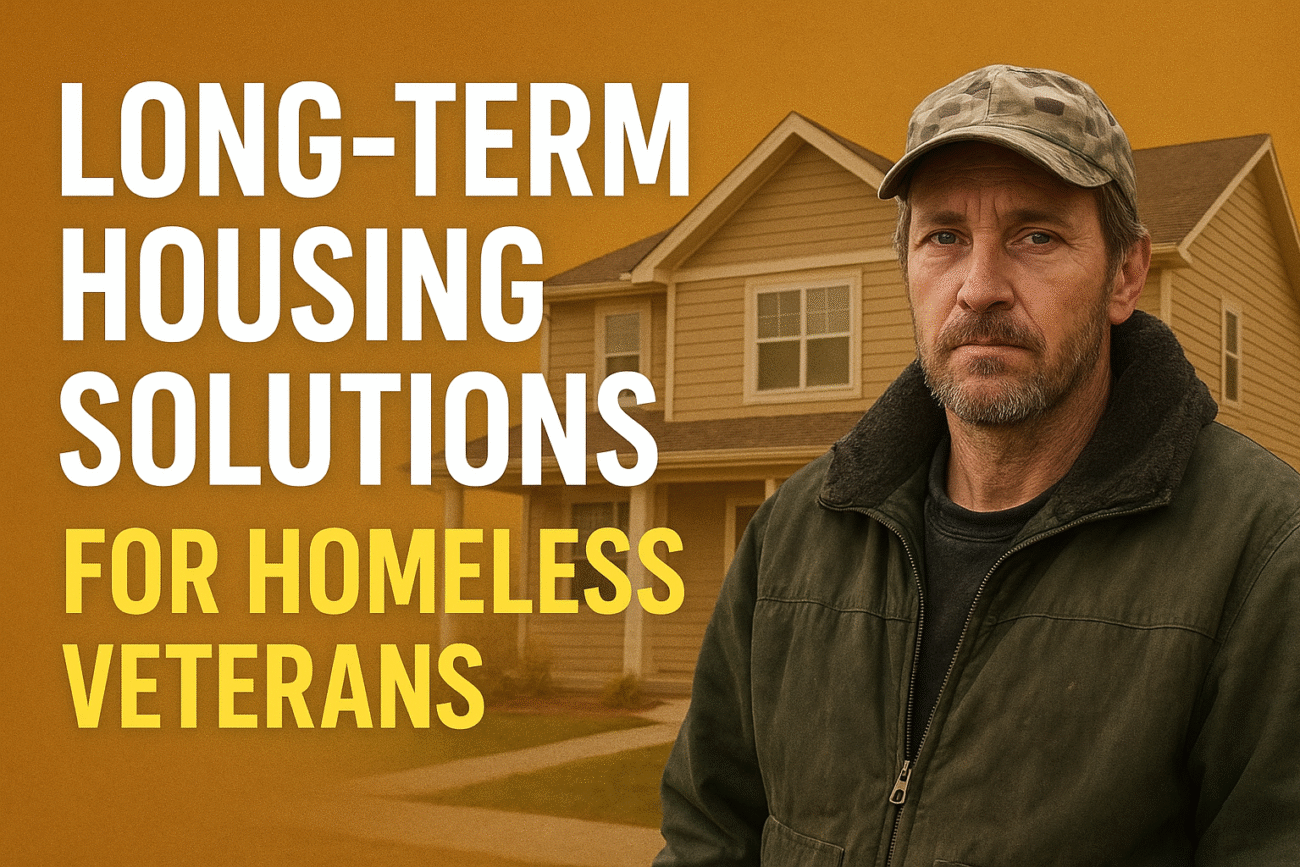
Homeless veterans often face unique challenges related to trauma, disability, unemployment, and limited access to stable support systems. Long-term housing is not just about providing shelter, but about building a path to stability, independence, and dignity. This detailed guide explains the long-term housing options available to homeless veterans, how these programs work, and how they can access them.
Long-Term Housing Solutions for Homeless Veterans
Permanent Supportive Housing (PSH)
Permanent Supportive Housing combines long-term housing with comprehensive services. This option is ideal for veterans facing chronic homelessness, disability, or mental health issues.
This program will provide you with stable, long-term housing with no expiration date, on-site or online case management, mental health and substance abuse counseling, and assistance with transportation and employment.
Many Permanent Supportive Housing (PSH) programs operate through partnerships between the Department of Veterans Affairs (VA), nonprofit organizations, and local housing authorities.
HUD-VASH (Housing and Urban Development – Veterans Affairs Supportive Housing)
HUD-VASH is the most widely used long-term housing program for veterans. It offers housing choice vouchers along with VA case management.
Through HUD-VASH, veterans will receive a rental voucher that covers a significant portion of the rent in any approved neighborhood, support from a VA caseworker, and ongoing case management focused on stability.
Veterans can stay in HUD-VASH for as long as they need, making it a true long-term solution.
Supportive Services for Veterans’ Families (SSVF)
While SSVF focuses on preventing homelessness and facilitating rapid rehousing, it also funds long-term stability, such as case management, legal support, benefits enrollment, and financial counseling.
For veterans moving from shelters to permanent housing, SSVF partners often assist with deposits, utility payments, and budgeting to ensure long-term success.
VA Grant and Travel Assistance Program: Transition to Permanent Housing
The Grant and Travel Assistance (GPD) program bridges the gap between homelessness and long-term stability. It provides transitional housing for veterans for up to two years, helping them prepare for permanent housing. GPD programs may offer private or shared rooms, clinical services for addiction or mental health, and job training.
Veteran-Specific Affordable Housing
Many cities now incentivize real estate developers to build affordable housing complexes specifically for veterans. These developments often include on-site social workers, community rooms, peer support programs, and access to nearby healthcare and training centers. These units provide long-term affordability, which is essential for veterans on fixed incomes.
Independent Living with VA Support Services
Veterans who can live independently but still need ongoing support can access in-home medical care, in-home case management, peer support groups, and financial and employment counseling. This model allows veterans to maintain their independence while receiving the help they need.
Long-Term Group Homes for Veterans with Severe Needs
Some veterans face such significant challenges that they are still unable to live independently. Group homes offer 24-hour supervision, nursing support, clinical mental health services, and rehabilitation programs. These homes can be long-term solutions or a stepping stone to more independent living.
Low Income Housing Tax Credit (LIHTC) for Veterans
Veterans can find affordable housing through the LIHTC program, which focuses on properties that are required to be accessible to low-income individuals, who often include themselves in the program. While there isn’t a specific Long-Term Housing and Care Center (LIHTC) program for veterans, many states prioritize them in their Qualified Allocation Plans (QAPs) to increase the supply of affordable housing, including support services for veterans.
How Veterans Can Apply for Long-Term Housing Programs
Visit a VA Medical Center or Community Resource Center
Each VA center has homelessness service coordinators who can help veterans apply for housing programs.
Call the National Homeless Veterans Call Center
1-877-4AID-VET (1-877-424-3838): Veterans can get immediate housing referrals.
Partner with local nonprofit organizations that partner with the VA
Organizations such as SSVF providers, Volunteers of America, and the Salvation Army help veterans apply for housing.
Contact Your Local Public Housing Agency (PHA)
Veterans applying for HUD-VASH should contact their local PHA.
Find Assistance Through Veterans Service Organizations (VSOs)
Groups such as the American Legion, VFW, and DAV can guide veterans through the paperwork and applications.
Other Resources for Veterans Seeking Long-Term Housing Solutions
National Call Center for Homeless Veterans (NCCHV): This is the fastest way to get help. The center is available 24/7 and connects veterans with trained counselors who can connect them with local VA services and resources. Call 1-877-4AID-VET (1-877-424-3838) or use the confidential chat for homeless veterans.
Veterans Crisis Line: For immediate emotional or mental health support, veterans in crisis or those concerned about one can contact caring, trained responders. Call or text 988 and select 1, or chat confidentially online through the Veterans Crisis Line website.
Nonprofit Organizations: such as the National Disabled Veterans Foundation (DVNF) and the Tunnel to Towers Foundation offer a variety of housing and support services, sometimes including financial assistance for moving costs and permanent housing.
Conclusion
Long-term housing solutions for homeless veterans are essential for regaining stability, dignity, and opportunity. Programs like HUD-VASH, Permanent Supportive Housing, and transitional housing sponsored by the Department of Veterans Affairs (VA) help veterans rebuild their lives with ongoing support. Whether through affordable housing, case management, or mental health services, these programs create sustainable pathways to independence.
FAQs
What is the best long-term housing program for veterans?
HUD-VASH is the most comprehensive option, as it offers rental vouchers and case management from the Department of Veterans Affairs (VA).
Do veterans have to pay rent in supported housing programs?
Costs vary. Some programs require a small, income-based contribution, while others are fully subsidized.
Can veterans with disabilities get priority for housing?
Yes. Veterans with service-related disabilities or those experiencing chronic homelessness are often given priority for placement.
How long can a veteran stay in HUD-VASH or Permanent Supported Housing?
There is no time limit. These are long-term or indefinite housing solutions.
Can family members live with veterans in these programs?
Yes. Many housing programs allow spouses, partners, and dependents to live with the veteran.
